
What lab grown diamonds did to the value of your ring
Diamond values have moved further in the last five years than at any time in my working life. Here is what happened, and what it means for a ring valued before it did.
I ran a fine jewellery business in Dublin for thirteen years and watched this happen from the trade side of the counter. It is the single biggest change to jewellery values in my working life, and most people who own a diamond have no idea it happened at all.
What actually happened
A lab grown diamond is not a fake. It is not cubic zirconia or moissanite or paste. It is carbon, arranged exactly as a natural diamond is arranged, with the same hardness and the same fire. Put one in front of me and I need equipment to tell you which is which. That is the whole point, and it is why this was never going to be a passing fashion.
What changed was not chemistry. It was supply.
Between 2020 and 2023 the world's capacity to grow diamonds in a factory more than tripled, most of it in China and India. Global output was six to seven million carats in 2020. By 2023 China alone was making about twenty million. Growing machines got cheaper, faster and better. And unlike a mine, which takes a decade and a fortune to open and eventually runs out, a factory can simply add another row of machines next month.
A diamond's price was never really about carbon. It was about scarcity, and scarcity is precisely what a factory removes.
The result was the fastest collapse in price I have seen in any gemstone, ever.
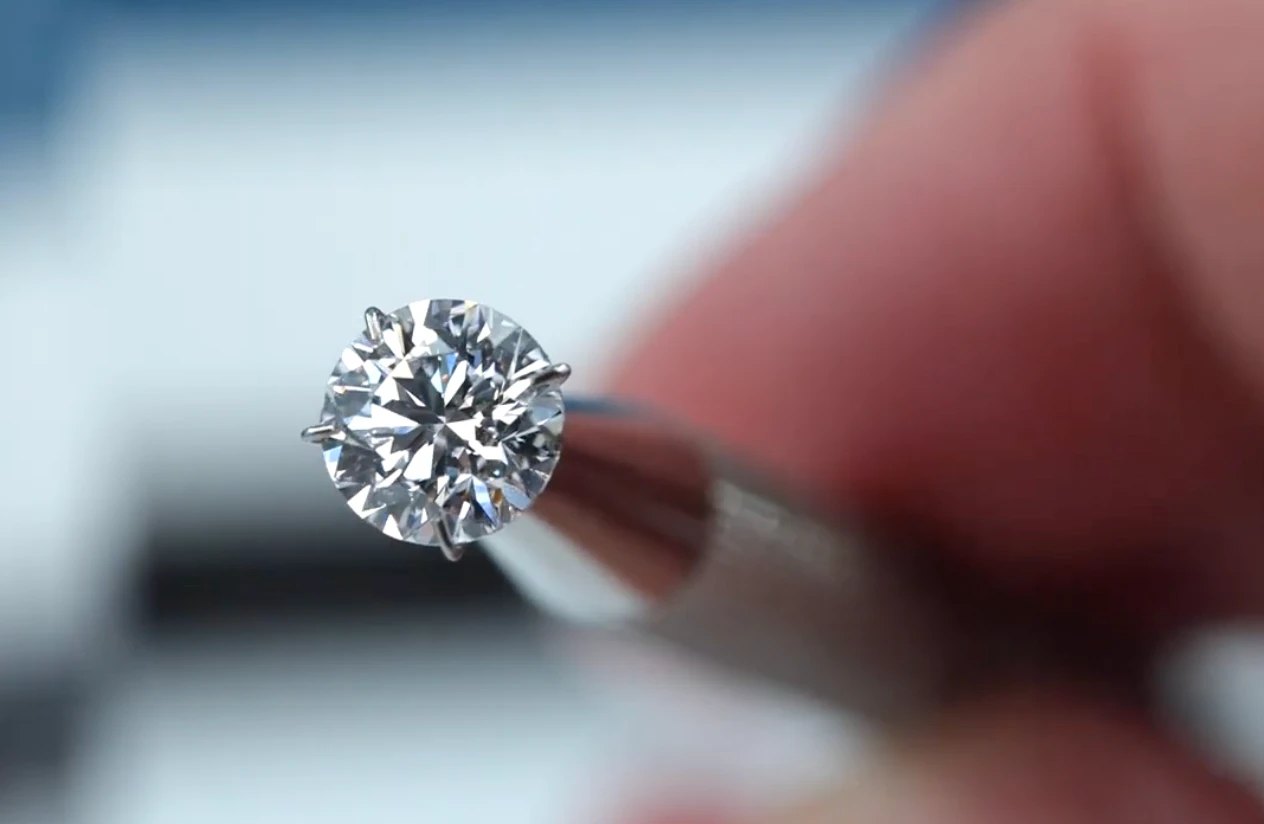
And it has not finished. Lab grown wholesale prices were still falling by around 13 to 14% year on year through 2026.
Why it dragged natural diamonds down too
Here is the part people find counterintuitive. Lab grown stones are a different product, so why should they affect a natural one?
Because for most of the last thirty years, the market for ordinary white diamonds was not really a market in rarity. It was a market in a story, sold at a price the trade agreed to hold. A one carat, well cut, reasonably clean white diamond is not a rare object. There are millions of them. What held the price up was that everybody selling them agreed on roughly what they were worth.
Then a customer could walk into a shop and be shown two stones that looked identical, one at €6,000 and one at €900. Enough of them chose the €900 stone that the agreement broke.
Natural diamonds are now at their lowest levels in more than two decades.
If you own a natural diamond
You have not lost everything, and please do not panic.
A natural stone still has a resale market, still holds a meaningful share of its value, and is still the thing people want when they want the real one. What has changed is that a figure written in 2016 describes a market that no longer exists.
For insurance, that usually means you are over insured rather than under insured, which is the opposite of what people expect. Insurance valuations are replacement values, meaning what it would cost to buy that piece again today. If today's cost has fallen and your policy still says €8,000, you are paying a premium every year on a number the insurer will never pay out.
Nobody in the chain has any incentive to tell you this. Your insurer is happy. The shop that sold it to you is long past caring.
The exception, and it is a big one
Antique and old cut stones have behaved completely differently.
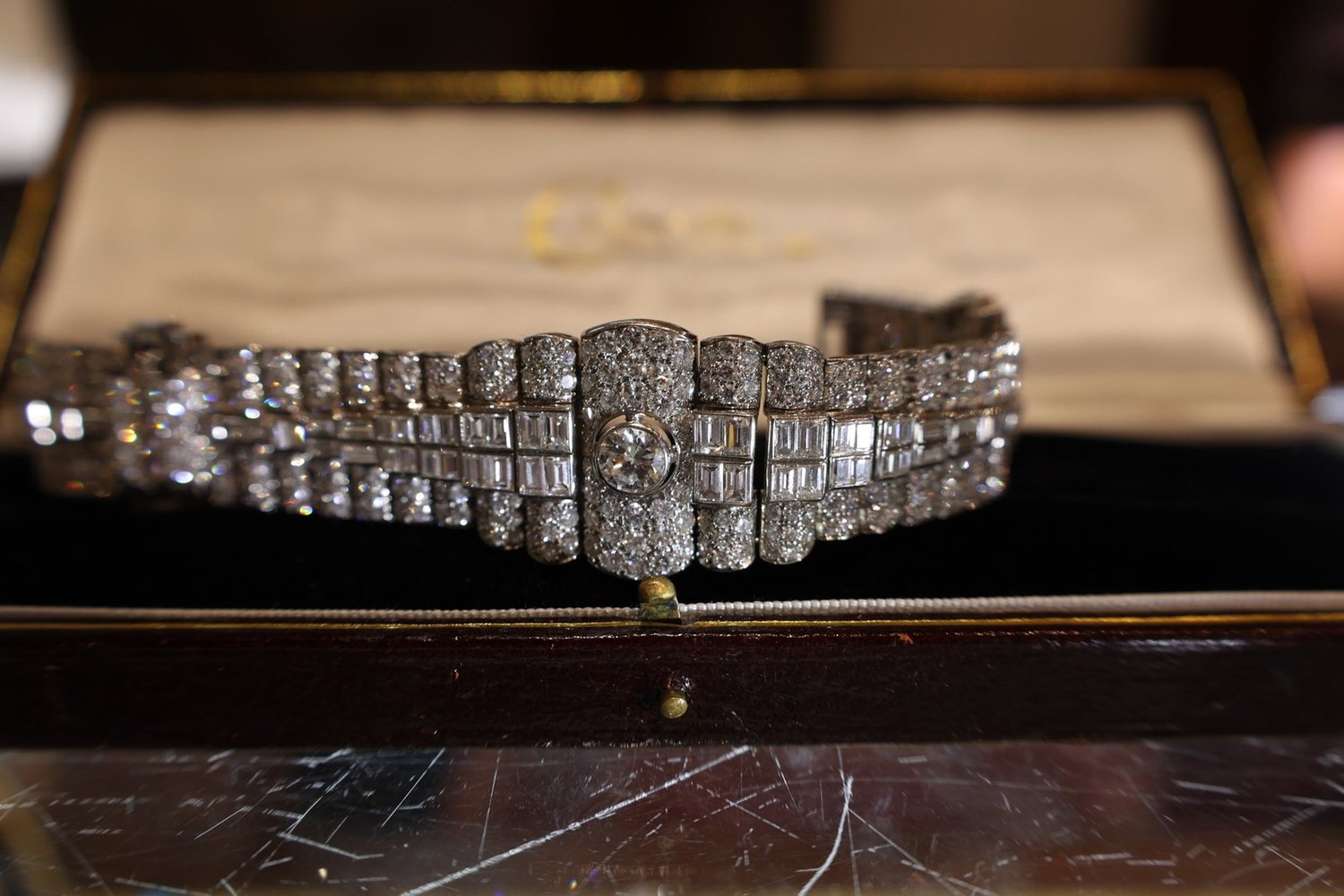
An old mine cut or a rose cut diamond was cut by hand, by candlelight, for a market that no longer exists. Its character comes from its imperfection. A factory in Gujarat cannot make another one, because the thing that makes it valuable is that it was cut in 1870 by someone whose name we will never know.
So while commercial white goods have fallen, good antique stones and period pieces have held up, and the best of them have gone the other way. If what you inherited is genuinely old, this article may be the good news rather than the bad.
If you own a lab grown diamond
I will be straight with you, because most of the trade will not.
There is effectively no resale market. The stone in your ring is lovely, it will last forever, and it is worth a fraction of what you paid, because the same stone now costs a fraction to make. If you bought it to wear and to mean something, nothing has changed. If you bought it believing it was an asset, it is not, and no valuation I write will change that.
Insure it for what it would cost to replace, which today is not much. Do not insure it as though it were natural.
What I would do
If your valuation is more than five years old, it is out of date, and the older it is the further out it will be. That is worth knowing whether the number goes up or down, because you are either paying for cover you do not need, or you are under insured on a piece that has held its value better than you thought.
It does not take much to find out. Usually a look at the piece and the old certificate is enough to tell you whether a full revaluation is worth doing at all. If it is not, I will say so.
Read next
Three different numbers for the same ring
Colin Weldon · GIA Graduate Gemologist · Dublin
Sources
The 96% fall since July 2018, and the 13% year on year fall in the second quarter of 2026, from the Edahn Golan lab grown wholesale price index. The 14% fall in the first quarter of 2026, and retail margins holding above 80%, from JCK. Natural wholesale prices 30 to 40% below their 2021 peak, and the two decade low, from Diamond World, September 2026. Retail prices for one carat lab grown rounds, and production capacity figures, from published trade reporting over the same period.
Figures correct as of 2026. Estimates of the fall in natural prices vary between sources and I have used the more conservative range. These are market figures, not an opinion on any particular stone. For that, your piece has to be looked at.